
Polk County Tree Services
How Much Does Tree Removal Cost in Polk County, FL?
A practical 2026 pricing guide for homeowners in Lakeland, Davenport, Winter Haven, and all of Polk County — by tree size, species, and service type.
Check your ZIP code
Tree removal pricing in Polk County is driven by more local factors than most homeowners expect — species density, soil type, power-line proximity, and permit requirements all play a role. This guide breaks it down so you know what to expect before you request an estimate.
Average Tree Removal Cost in Polk County
Tree removal in Polk County typically costs between $300 and $3,000 for residential jobs, with most homeowners paying in the $600–$1,500 range for a standard single-tree removal. The wide range reflects real differences in tree size, species, location, and access conditions that vary significantly across the county.
| Tree Size | Typical Height | Estimated Cost Range |
|---|---|---|
| Small | Under 30 ft | $300 – $700 |
| Medium | 30–60 ft | $700 – $1,500 |
| Large | 60–100 ft | $1,500 – $2,500 |
| Very large / near structure | Over 100 ft or tight access | $2,500 – $5,000+ |
These are typical ranges for the Polk County market in 2026. Actual quotes depend on the specific job — always confirm what is included before scheduling.
What Affects the Price of Tree Removal in Polk County?
1. Tree height and trunk diameter
Height and trunk diameter are the starting point for almost every estimate. A 40-foot tree with a 12-inch trunk is straightforward. A 70-foot tree with a 36-inch trunk requires more crew time, larger equipment, and substantially more wood to haul away. Diameter matters because a thick trunk means more cuts, more passes with the chipper, and heavier log sections to manage on the ground.
2. Species — why oaks cost more than pines in Polk County
Live oaks and laurel oaks are the dominant large trees in Polk County, and they cost more to remove than slash pines of the same height. The reason is wood density. Live oak wood is extremely heavy — roughly 55 pounds per cubic foot when green, compared to 30–35 for slash pine. A 70-foot live oak can produce several thousand pounds of wood in a single removal, which means more crew time loading, more trips to dispose of debris, and heavier equipment demands.
Laurel oaks share similar density and have a broad spreading canopy that often overhangs rooflines, fences, and neighboring lots — adding complexity to the dismantling sequence. Water oaks and sand live oaks are lighter but still denser than most pines or palms.
Sabal palms (the Florida state tree) and Washingtonia palms are generally cheaper to remove than comparably sized oaks because they have a single straight trunk with no branching canopy, and the wood is fibrous rather than dense. That said, a 50-foot sabal near a screen enclosure or utility line still requires careful rigging.
3. Proximity to structures and power lines
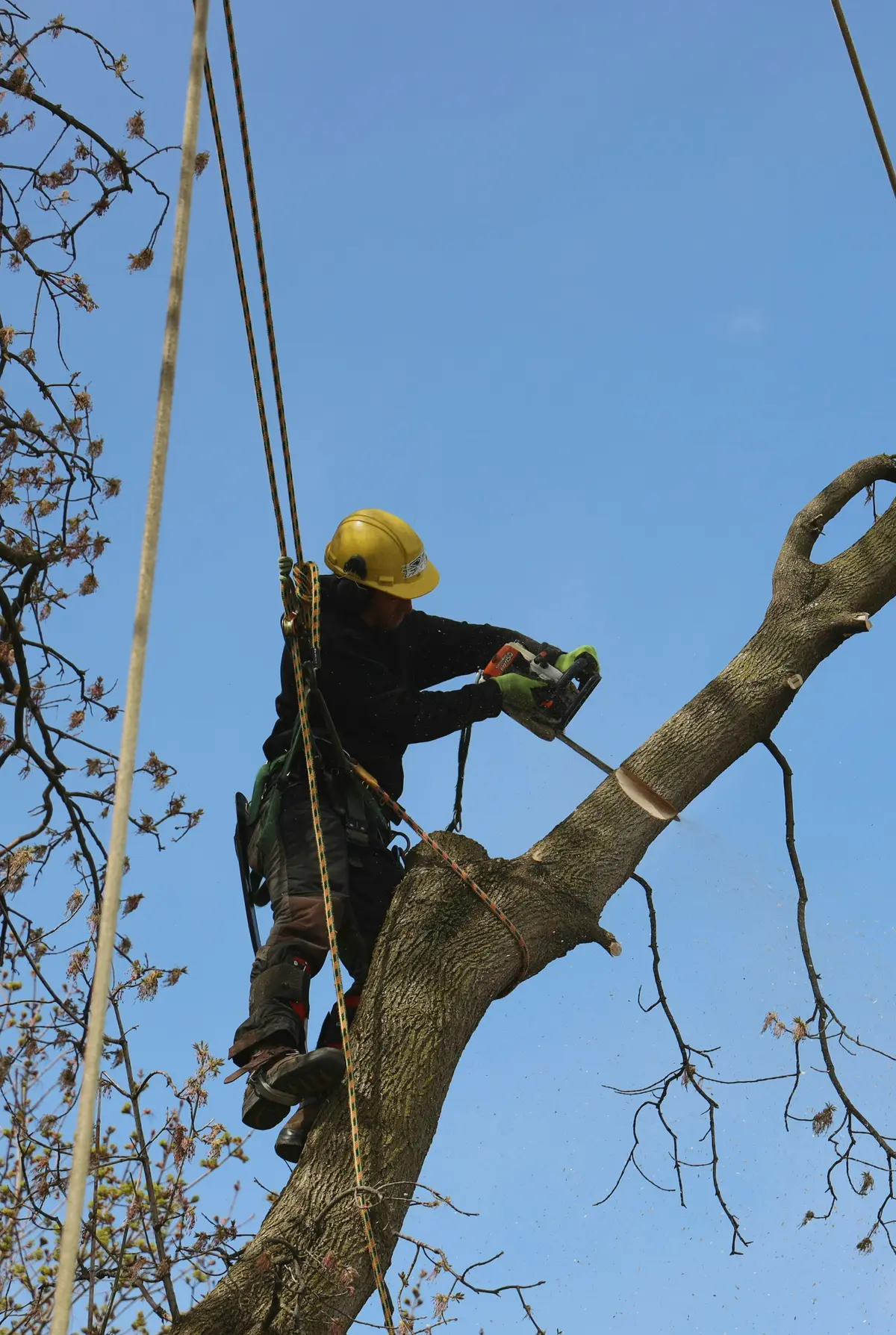
A tree in the middle of an open yard costs far less to remove than one growing against your house, over a pool cage, or between two structures. When the tree is close to a structure, we cannot drop large sections — every cut must be rigged and lowered carefully, which dramatically increases labor time. An open-yard drop that takes 90 minutes may take half a day when the same tree is next to a screen room.
Trees near power lines add a separate layer of complexity. In Polk County, many residential streets are served by Lakeland Electric or SECO Energy, and tree work near energized lines may require utility coordination or specialized training. Work involving contact with distribution lines is a utility-only responsibility and may require the utility to de-energize before our crew can proceed. If a tree is near a line, expect potential scheduling considerations and a higher estimate to reflect the additional risk and requirements.
4. Access for equipment
Equipment access is one of the most underestimated cost factors. Working from an open driveway with a large bucket truck or crane moves fast. That same crew working through a narrow gate, over a concrete driveway they cannot damage, or in a backyard with no vehicular access will move much slower. Always describe access conditions when requesting an estimate so the quote reflects the actual job.
5. Dead vs. live tree removal
Counterintuitively, dead trees are often more expensive to remove than live ones. A dead tree has lost the structural integrity that makes predictable felling possible. Dead wood is brittle — large sections can snap unexpectedly, the trunk may have rot cavities that are invisible from the outside, and brittle limbs can fall without warning during dismantling. We typically use more rigging on dead trees to manage this unpredictability, especially near structures. See our guide to dead tree removal in Polk County for more on what makes dead tree assessment important before scheduling.
6. Emergency vs. scheduled removal
Emergency tree removal — after a storm, or when a tree is actively threatening a structure — costs significantly more than a scheduled job. Expect to pay a 20–50% premium for same-day or after-hours emergency response. After a major hurricane or tropical storm hits Polk County, demand spikes across the entire market simultaneously, which can push emergency pricing higher. See our emergency tree removal page for more information.
7. Permit requirements and protected trees
Most routine residential tree removals in unincorporated Polk County do not require a permit. But inside city limits — especially Lakeland, Winter Haven, and Bartow — certain protected or heritage trees (particularly large live oaks) may require a permit before removal. Permit fees are typically modest ($50–$150), but the permit process can add days or weeks to the timeline, and some protected trees require replacement planting as a condition of approval. See our permit guide and our protected trees guide to understand which trees may require review before scheduling.
8. Stump grinding
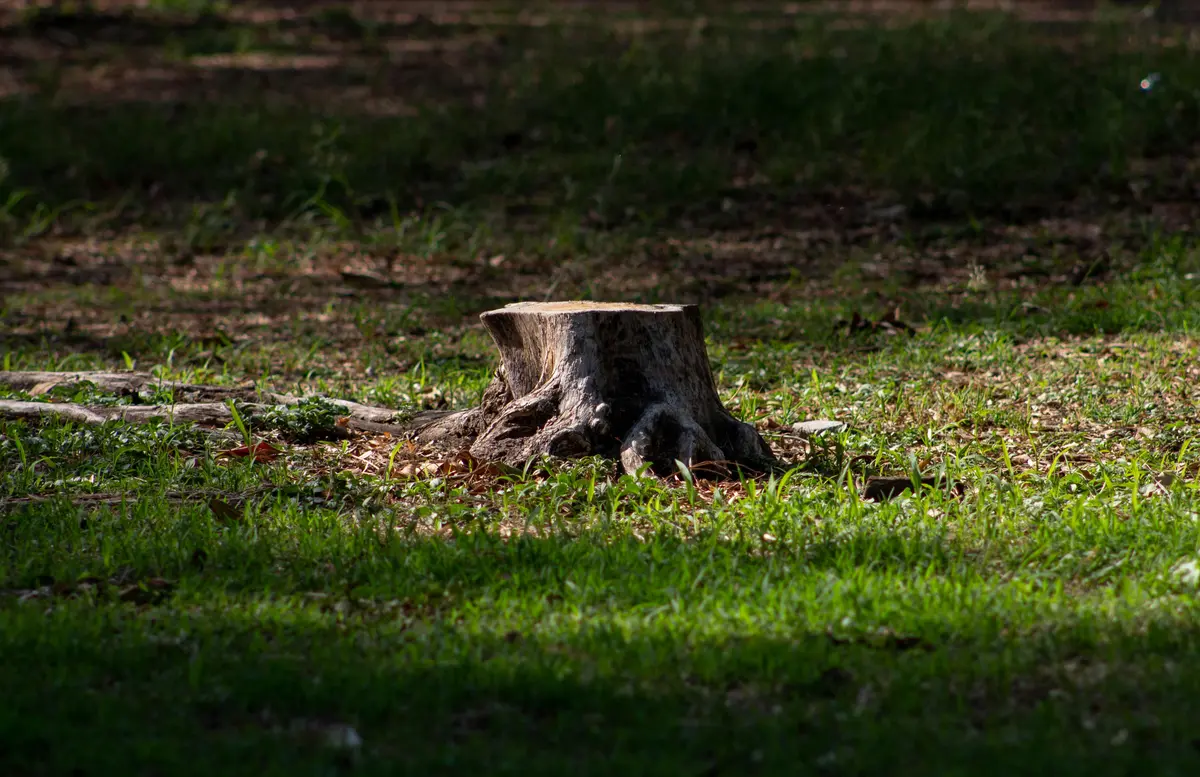
Most tree removal quotes do not include stump grinding — we quote it separately so you can decide what fits your project. Stump grinding costs $100–$400 depending on stump diameter and soil conditions. Sandy ridge soils common in eastern Polk County near Lake Wales Ridge grind faster than the clay-heavy flatwoods soils in western Polk, so stump pricing can differ across the county. See our stump grinding cost guide for details.
9. Debris hauling and cleanup
Always confirm whether the quote includes full cleanup and chip haul-off, or just the cutting. A large live oak removal can produce several truckloads of wood and chips — leaving cleanup scope open-ended in a quote is a common source of billing surprises. We include cleanup details in our estimates so there are no surprises at the end of the job.
Cost by Service Type
| Service | Typical Range | Notes |
|---|---|---|
| Standard tree removal | $300 – $3,000+ | Varies by size, species, access |
| Emergency removal | Add 20–50% to standard | Same-day, after-hours, or post-storm |
| Stump grinding | $100 – $400 per stump | Usually quoted separately |
| Lot clearing | $500 – $5,000+ | Per acre; varies by density and access |
| Tree trimming (pruning) | $200 – $1,000+ | Height, canopy spread, access |

Tree Removal Cost by City in Polk County
Pricing changes across Polk County because tree size, access conditions, HOA rules, permit timing, and cleanup logistics vary by city. Here is how local conditions shape pricing in each area we serve:
- Lakeland tree removal cost — highest demand, mature oaks throughout older neighborhoods, competitive market, and Lakeland Electric coordination when trees are near lines
- Auburndale tree removal cost — residential neighborhoods, lake-area access conditions, and central Polk County pricing
- Winter Haven tree removal cost — Chain of Lakes corridor, established canopy, and varied lot conditions near the water
- Davenport tree removal cost — HOA communities, vacation rental timing, newer lots, and I-4 corridor easement considerations
- Haines City tree removal cost — former grove land, rural-edge properties, and longer drive times from central Polk
- Bartow tree removal cost — historic properties, large old-growth oaks, permit timing, and tight downtown access
- Lake Wales tree removal cost — ridge elevation, sandy soil, sloped lots, and ornamental tree care near the Bok Tower corridor
What to Include When You Request an Estimate
- Photos of the full tree. Include the trunk base, canopy spread, and anything near the tree — rooflines, fences, power lines, or structures — so we can assess the scope before calling back.
- Access details. Describe how equipment can reach the tree: gate width, driveway clearance, neighboring fences, or any tight spots that would affect staging.
- Service scope. Tell us whether you want removal only, removal plus stump grinding, full debris haul-off, or just a trim — so the estimate reflects the complete job.
- Urgency. Let us know if the tree is an immediate hazard, leaning after a storm, or blocking access. Urgency helps our team prioritize follow-up.
- Permit context if known. If you know the tree is protected or that the city requires a permit for removals in your area, mention it so we can factor that into the review timeline.
Related Topics
Understanding cost is part of the planning process. Also see: tree removal permits in Polk County, which trees are protected in Polk County, dead tree removal, emergency tree removal, stump grinding, and lot clearing.
Frequently Asked Questions
How much does tree removal cost in Polk County FL?
Most residential tree removals we handle in Polk County run between $400 and $2,500. A small tree under 30 ft typically costs $300–$700, a mid-size tree 30–60 ft costs $700–$1,500, and a large tree over 60 ft often runs $1,500–$3,000 or more depending on access, species, and proximity to structures. Emergency or same-day removal adds a 20–50% premium.
Where can I find a tree removal service near me in Polk County?
We serve homeowners across Polk County including Lakeland, Davenport, Winter Haven, Haines City, Bartow, Auburndale, Lake Wales, and surrounding areas. Fill out the free estimate form with your address, tree photos, and job details for a fast local callback from our team.
How do I find a licensed tree removal service near me?
Our crews are licensed and insured — we carry general liability and workers compensation coverage and can provide proof of insurance before work begins. Always request proof of insurance from any contractor before approving tree work on your property.
Is there cheap tree removal near me in Polk County?
We keep our pricing competitive for Polk County homeowners and provide written estimates before any work starts. Pricing varies by tree size and job conditions, but scheduling during the off-peak winter months (November through February) can improve availability and pricing.
How much does tree stump removal cost near me in Polk County?
Stump grinding typically costs $100–$400 per stump depending on diameter, root spread, and soil conditions. We quote stump grinding separately from tree removal so you can decide what fits your project. Sandy ridge soils common in eastern Polk County grind faster than the clay soils in western Polk, which can affect pricing.
What factors most affect tree removal cost in Polk County?
The biggest factors are tree height and trunk diameter, species (live oaks and laurel oaks are denser and more expensive to remove than slash pines of the same height), equipment access, proximity to structures or power lines, whether the tree is dead or live, and whether emergency response is needed.
Does removing a protected tree cost more in Polk County?
Removing a protected or heritage tree may require a permit, replacement planting, or additional documentation, all of which add time and sometimes cost. Some species — especially large live oaks — may require review by city planning before we can remove them. See our permit guide for details on which trees may need review before work begins.
Does homeowners insurance cover tree removal in Polk County?
Homeowners insurance often covers tree removal when the fallen tree has damaged a covered structure such as a roof, fence, or garage. Removal of a fallen tree that did not damage a structure is typically not covered. Always photograph damage before cleanup and contact your carrier before authorizing non-emergency work.
Get a Free Estimate
Ready to get a real quote? Fill out the free estimate form and include photos, access notes, and cleanup needs so our team can follow up quickly.
Get a Free Tree Service Estimate
Fill out the form and get fast follow-up from our local team.
What do you need help with?
Need Professional Tree Services in Polk County?
Request a free estimate, include the job details, and review next steps with our team serving your area. You can confirm pricing, cleanup, and timing before deciding what to do next.
New here? Read How It Works or learn more about PolkTreeRemoval.com.